
- home
- Cents
- Lincoln Cents
- Uncirculated and Proof Lincoln Cent Rolls
- Uncirculated Lincoln Cent Roll 1970-D

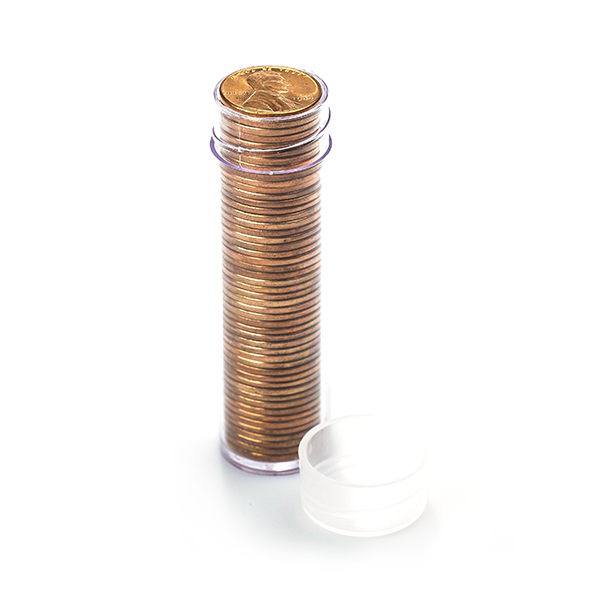
Uncirculated Lincoln Cent Roll 1970-D
| Qty | Wire/Check | Bitcoin | CC/Paypal |
| Any | $5.95 | $6.01 | $6.19 |
The Uncirculated Lincoln Cent Roll 1970-D represents a preserved group of fifty coins struck at the Denver Mint during a pivotal era in United States coinage history. By 1970, the Lincoln cent had already been in production for over six decades, having first been introduced in 1909 to commemorate the centennial of Abraham Lincoln’s birth. The 1970-D issue comes from a time when the United States Mint was adapting to changing economic conditions, including rising metal costs and increasing demand for coinage in a growing economy. While the composition of the cent remained largely copper, the broader context of U.S. coinage had shifted significantly following the removal of silver from circulating coins in 1965. An original uncirculated roll from the Denver Mint preserves these coins exactly as they were distributed, offering collectors a unique opportunity to study and appreciate coins that have never entered circulation. Such rolls are considered time capsules, maintaining the original surfaces, luster, and characteristics of coins as they left the mint over half a century ago.
The design of the 1970-D Lincoln cent continues the long-standing and iconic imagery that has defined the series since its introduction. The obverse features the right-facing portrait of Abraham Lincoln, designed by Victor David Brenner, which has remained one of the most recognizable coin designs in American numismatics. Above Lincoln’s head appears the motto “IN GOD WE TRUST,” while “LIBERTY” is positioned to the left, and the date “1970” with the “D” mintmark is located to the right, indicating production at the Denver Mint. The reverse features the Lincoln Memorial design, introduced in 1959 to mark the 150th anniversary of Lincoln’s birth. The Memorial is depicted in detailed relief, with the inscriptions “UNITED STATES OF AMERICA” above and “ONE CENT” below, along with the motto “E PLURIBUS UNUM.” Within the central area of the Memorial, a small representation of Lincoln’s statue can be seen, adding a subtle but intricate detail to the design. This combination of obverse and reverse imagery remained in use for decades, making the 1970-D cent part of one of the longest-running coin designs in U.S. history.
The 1970-D Lincoln cents in an uncirculated roll were struck at the Denver Mint, one of the primary facilities responsible for producing circulating coinage for the western United States. Each roll typically contains fifty coins of the same date and mintmark, packaged in a paper wrapper that may bear markings indicating the denomination and origin. The coins are composed of 95% copper and 5% zinc, giving them their characteristic reddish appearance when freshly struck. Mintage figures for the 1970-D cent were substantial, reflecting the continued demand for small-denomination coinage in everyday commerce. However, original uncirculated rolls are valued because they preserve coins in their original mint state, often with bright red surfaces and minimal handling. Additionally, the 1970-D issue is of particular interest to collectors due to the existence of varieties, such as the “Small Date” and “Large Date” differences, as well as the potential for doubled die varieties. These factors add an additional layer of intrigue and collectibility to rolls from this year.
The minting process for the 1970-D cent involved high-speed production methods designed to meet the needs of a growing economy. Coins were struck using powerful presses, then transported and counted automatically before being wrapped into rolls for distribution to banks and financial institutions. Because these coins were not intended for collectors, they were handled in bulk, which can result in minor contact marks as coins came into contact with one another. Despite this, uncirculated rolls preserve the coins in a state that closely resembles their original condition at the time of minting. The strike quality of Denver Mint coins from this period is generally strong, though slight variations can occur depending on die condition and production factors. Over time, copper coins may develop toning, but coins stored in original rolls often retain much of their original red color, especially if kept in stable environments.
In uncirculated condition, the coins within a 1970-D Lincoln cent roll exhibit full mint luster and no signs of wear, making them highly desirable for collectors seeking pristine examples. The obverse portrait of Lincoln is sharp, with clear detail in the facial features and inscriptions, while the reverse Lincoln Memorial design is well-defined, with visible architectural detail and crisp lettering. The surfaces of the coins typically display a bright, satiny sheen, often with vibrant red coloration that is especially prized among collectors. Minor contact marks or small abrasions may be present due to the coins being stored together in a roll, but these are considered normal and do not detract significantly from their overall appeal. Coins that retain their original red color are often graded as “Red” or “RD,” and are particularly valuable due to their fresh and unoxidized appearance. The presence of multiple coins in this condition within a single roll allows collectors to examine variations in strike, luster, and surface quality across different examples.
The Uncirculated Lincoln Cent Roll 1970-D is a highly collectible item that combines historical significance, numismatic interest, and the appeal of original mint state preservation. It represents a period of transition in U.S. coinage, when economic pressures and technological advancements were shaping the future of circulating currency. The enduring Lincoln design, coupled with the potential for collectible varieties and high-grade specimens, makes these rolls especially attractive to collectors. In uncirculated condition, the coins retain their original brilliance, detail, and color, offering a glimpse into the minting process and the appearance of coins as they were first issued. As a preserved group of coins from a specific mint and year, this roll serves as both a collectible and a historical artifact, providing insight into the production and distribution of U.S. coinage during the late twentieth century. It remains an important addition to collections focused on Lincoln cents, modern U.S. coinage, or original bank-wrapped rolls.


