
- home
- Ancient Coins
- Ancient Roman Coins
- Roman Provincial Alexandria BI Tetradrachm 145 A.D. Antoninus Pius XF
- Back to:
- Ancient Roman Coins


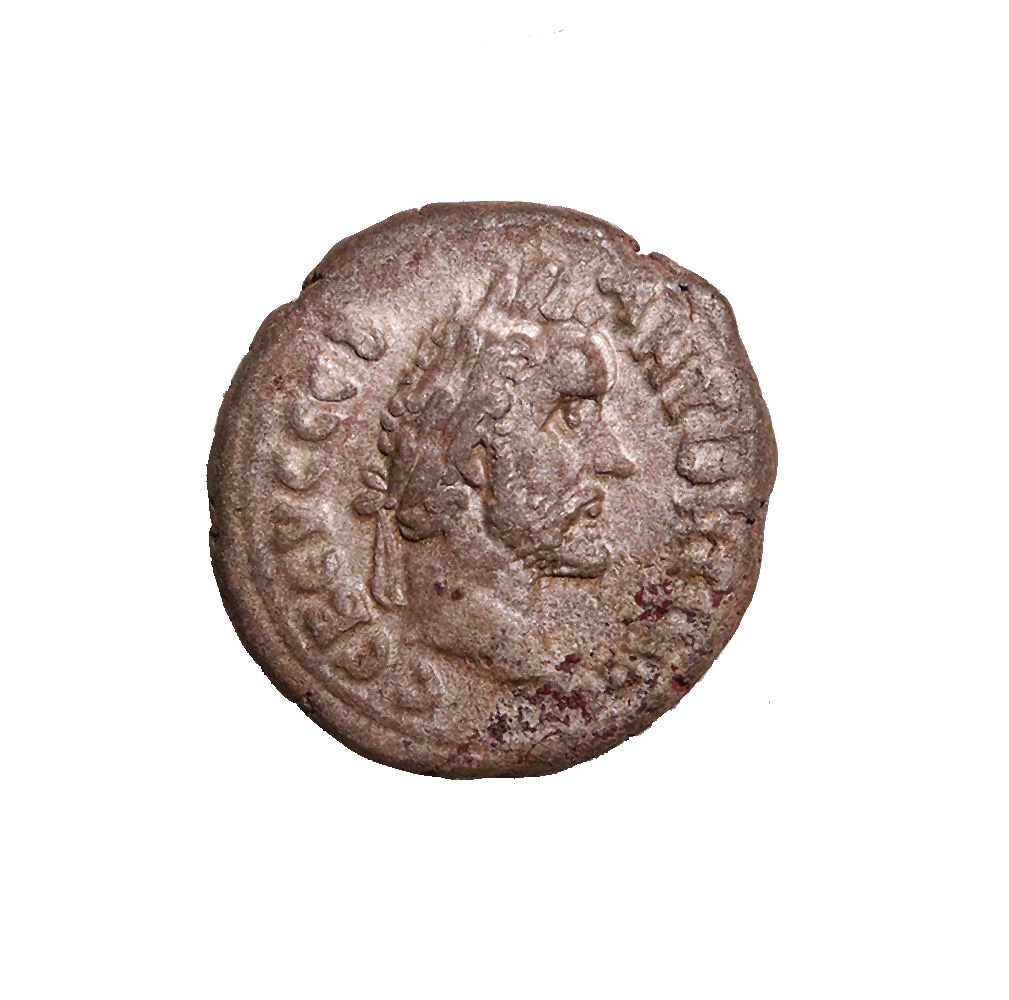
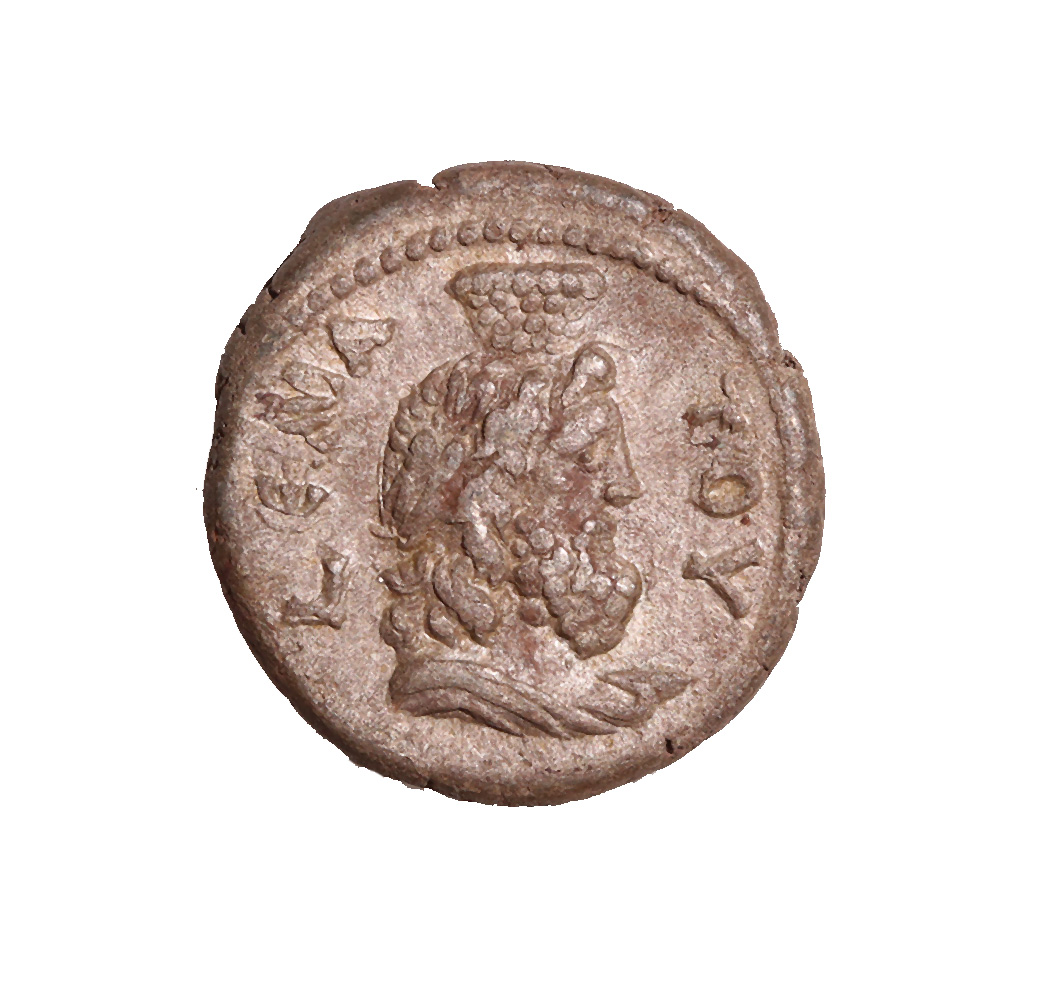
Roman Provincial Alexandria BI Tetradrachm 145 A.D. Antoninus Pius XF
| Qty | Wire/Check | Bitcoin | CC/Paypal |
| Any | $350.00 | $353.50 | $364.00 |
The Roman Provincial Alexandria BI Tetradrachm of Antoninus Pius, struck in 145 A.D., is a splendid example of the enduring blend of Roman authority and Egyptian tradition under the high empire. Minted at Alexandria, the cultural and administrative capital of Roman Egypt, this billon tetradrachm embodies both the stability of Antoninus Pius’s reign and the long-standing autonomy of Egypt’s monetary system. The emperor’s tenure (138–161 A.D.) marked one of the most peaceful and prosperous periods in Roman history, a golden age characterized by just governance, economic stability, and monumental construction. The Alexandrian tetradrachms of this era not only served as the principal medium of exchange within Egypt but also acted as symbolic instruments reinforcing imperial presence in the province. The coin’s date, corresponding to the eighth regnal year of Antoninus Pius, reflects a time when the empire was secure, prosperous, and deeply invested in cultural synthesis across its territories.
The obverse of this tetradrachm features a dignified bust of Emperor Antoninus Pius facing right, laureate and draped, executed with refined realism characteristic of Alexandrian portraiture. His facial features are rendered in high relief, displaying a calm, benevolent expression befitting a ruler celebrated for his virtue and restraint. The emperor’s carefully combed hair, neatly trimmed beard, and serene gaze convey both wisdom and authority, reflecting his reputation as a philosopher-king. The obverse legend, inscribed in Greek—the language of the Eastern Mediterranean—typically reads “ΑΥΤ Κ Τ ΑΙΛ ΑΔΡΙ ΑΝΤΩΝΙΝΟΣ ΣΕΒ ΕΥΣ,” abbreviated from “Αὐτοκράτωρ Καῖσαρ Τίτος Αἴλιος Ἁδριανὸς Ἀντωνῖνος Σεβαστός Εὐσεβής,” meaning “Imperator Caesar Titus Aelius Hadrianus Antoninus Augustus Pius.” The epithet “Eusebes” (“Pious”) was conferred upon him by the Senate to recognize his filial devotion to his adoptive father, Emperor Hadrian, and his adherence to traditional Roman virtues. This noble portrait, blending idealism with realism, captures the tranquil strength of a ruler under whose reign the empire enjoyed harmony and prosperity.
The reverse of this coin exemplifies the rich religious and artistic symbolism unique to Alexandrian issues. For the year 145 A.D. (regnal year 8), the reverse design commonly features representations of Egyptian deities such as Serapis, Nilus, or the personification of Eirene (Peace), each deeply rooted in the province’s syncretic iconography. One of the most striking reverses for this period depicts Serapis, the Greco-Egyptian god of healing and abundance, facing right, wearing a modius (grain measure) on his head—a symbol of divine order and fertility. Alternatively, some examples show Eirene standing, holding a cornucopia and caduceus, representing the peace and plenty that flourished under Antoninus’s reign. The Greek inscription “LΗ” (L for “year” and Η for the numeral eight) appears in the field, denoting the eighth year of his rule, equivalent to 144/145 A.D. This explicit dating system was a hallmark of Alexandrian coinage, providing precise chronological context and distinguishing it from imperial issues struck elsewhere in the empire.
The Alexandria Mint, established centuries earlier under the Ptolemies, continued to serve as one of the most prolific provincial mints of the Roman world. Its coinage system was distinct and operated independently from the imperial denarius and aureus standards, circulating exclusively within Egypt. The tetradrachms were composed of billon—a copper-silver alloy—whose silver content varied between 20% and 30%. This alloy gave newly struck coins a bright silvery appearance, though over time they acquired a soft gray or green patina characteristic of billon oxidation. The flans were broad, averaging about 24–26 millimeters in diameter and 12–14 grams in weight, allowing for detailed and expressive designs. The dies were engraved by hand, and each strike produced unique variations that reflect the skill of the mint’s artisans. Despite being provincial, the Alexandrian mint maintained a remarkably high artistic standard, blending Greek finesse with Egyptian tradition while retaining consistent iconographic themes throughout the Antonine period.
The mintage of tetradrachms under Antoninus Pius was extensive, as Egypt’s closed economy relied entirely on its own provincial coinage. Imperial denarii and aurei were prohibited from circulation within the province to prevent disruption of the local monetary balance. These Alexandrian tetradrachms facilitated trade, taxation, and daily commerce across the Nile Delta and beyond, forming the backbone of Egypt’s economy. The large output reflects the thriving population centers, from Alexandria’s bustling port to the agricultural wealth of the Nile Valley. The reign of Antoninus Pius witnessed significant investments in infrastructure, including canal restorations, temple refurbishments, and the maintenance of Egypt’s vital grain supply chain to Rome. The coinage, therefore, was not merely functional but symbolic of the emperor’s commitment to stability, prosperity, and the spiritual continuity of Egypt’s ancient heritage under Roman administration.
The condition of this particular specimen, graded Extremely Fine (XF), demonstrates both careful striking and exceptional preservation for a provincial issue of its age. The obverse portrait of Antoninus Pius remains bold and sharply defined, with clear detail visible in the laurel wreath, hair curls, and beard texture. The emperor’s serene expression is fully preserved, and the Greek inscription is nearly complete and legible around the border. The reverse figure—whether Serapis, Eirene, or another deity—is equally distinct, with drapery folds and symbolic attributes such as the cornucopia or modius finely rendered. The year mark “LΗ” is clearly visible, confirming its regnal date. The surfaces retain a smooth, natural patina, combining silvery-gray tones with faint golden highlights, enhancing the coin’s depth and visual appeal. Light wear is confined to the highest points, consistent with minimal circulation, and the edges remain intact, free from major nicks or corrosion. For a billon coin that circulated in the humid Egyptian climate, such preservation is extraordinary and speaks to both the quality of its minting and its careful handling through the centuries.
Historically, the Alexandrian tetradrachm of 145 A.D. provides a window into the social and political harmony that defined the age of Antoninus Pius. His reign was notable for its absence of major wars or internal crises, earning him admiration as one of the most benevolent emperors of Rome’s golden era. While his predecessors, such as Trajan, had expanded the empire through conquest, Antoninus focused on consolidation, legal reform, and public welfare. Egypt, as Rome’s granary, remained one of the most crucial provinces, its stability directly linked to the empire’s food supply. The imagery on Alexandrian coins of his reign, often emphasizing peace, fertility, and divine protection, mirrors the emperor’s governance philosophy—one centered on moderation, justice, and prosperity. The prominence of deities like Serapis and Eirene reflects not only religious devotion but also political messaging: the assurance that Rome’s peace extended even to the ancient heartland of the Nile.
The Alexandrian mint’s use of Greek legends and Egyptian iconography also illustrates the cultural duality of Roman Egypt. These coins were instruments of imperial communication tailored to a Greek-speaking, Egyptian-rooted populace. By featuring local deities alongside the emperor’s portrait, they acknowledged the spiritual traditions of the region while reinforcing the unity of the Roman state. This subtle political balance—respecting local customs while projecting imperial authority—was one of the hallmarks of Antoninus Pius’s successful provincial administration. Each tetradrachm, therefore, was not only currency but also a statement of cultural and religious harmony under Roman rule, a tangible expression of the Pax Romana flourishing under his steady leadership.
From a numismatic standpoint, the Roman Provincial Alexandria BI Tetradrachm of Antoninus Pius (145 A.D.) represents an intersection of art, economics, and imperial ideology. Its elegant portraiture, bilingual inscriptions, and regional symbolism make it a vital artifact for understanding how Rome’s provinces both reflected and reinforced the broader imperial identity. Collectors and scholars value such pieces for their aesthetic merit and their historical significance within the continuum of Alexandrian coinage spanning three centuries. In Extremely Fine condition, this example retains nearly all of its original detail and charm, offering an authentic glimpse into one of antiquity’s most enlightened reigns. It remains a shining embodiment of the peace, prosperity, and cultural synthesis that characterized the age of Antoninus Pius—a serene silver-gray testament to the empire’s most tranquil and prosperous era, struck in the very heart of Roman Egypt.


